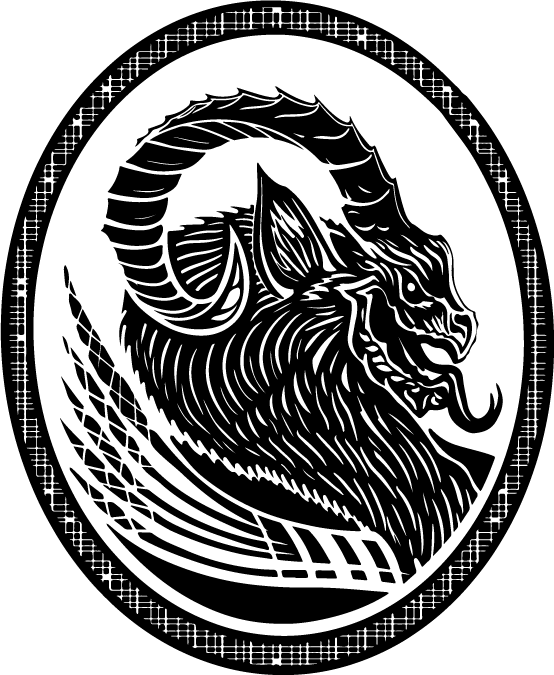
Krampus, at the heart of it all, is a mythical creature deeply rooted in European folklore. Often depicted as a terrifying horned creature of the pagan winter solstice who punished those who strayed from the path of virtue, Krampus later became a counterpoint to St. Nicholas during the holiday season, punishing misbehaving children. Nowadays, Krampus is celebrated all over the world with parades and festivals dedicated to this misunderstood creature’s character and as a way to move away from the over-commercialization of the holidays.
Krampus originates from the German word Krampen, which means “claw” and is known to be part of pagan rituals for In ancient European mythology, the winter solstice was a time of great importance, marking the longest night of the year and symbolizing the battle between light and darkness. The Krampus, with its menacing presence, embodied the forces of darkness and chaos that threatened to overcome the world during this time. As Christianity spread throughout Europe, the figure of the Krampus became intertwined with the Christian tradition of St. Nicholas, resulting in the unique blend of good and evil that we see today.
The merging of the Krampus with St. Nicholas gave rise to the concept of “Krampusnacht,” a night of fright and punishment that occurs on December 5th, the eve of St. Nicholas Day. On this night, children would anxiously await the arrival of both figures, unsure of whether they would receive gifts or be subjected to the wrath of Krampus. It was believed that the Krampus would visit homes and leave bundles of birch branches, symbolizing punishment for misbehavior, while St. Nicholas would reward well-behaved children with sweets and presents. This duality of good and evil, light and darkness, has continued to captivate and intrigue people, making the Krampus a fascinating and complex figure in holiday folklore.
And now, each year, in cities and villages all over the world, the Krampus tradition comes alive every December. As darkness falls, people gather for a thrilling parade where folks don terrifying Krampus costumes, complete with fierce masks and fur-covered bodies. With loud bells jingling and chains clanging, the Krampuses roam the streets, playfully scaring children and even adults who dare to venture outside. The atmosphere is filled with excitement and the hope that they will be safe from the Krampus, saved by the magical women in white (the petrichor), or even blessed by St. Nicholas himself.
The Krampus parade has been passed down through generations, preserving the legend of the Krampus and adding a touch of mystery and enchantment to the holiday season. It is a tradition that continues to captivate and intrigue both young and old alike.
And now, each year, in cities and villages all over the world, the Krampus tradition comes alive every December. As darkness falls, people gather for a thrilling parade where folks don terrifying Krampus costumes, complete with fierce masks and fur-covered bodies. With loud bells jingling and chains clanging, the Krampuses roam the streets, playfully scaring children and even adults who dare to venture outside. The atmosphere is filled with excitement and the hope that they will be safe from the Krampus, saved by the magical women in white (the petrichor), or even blessed by St. Nicholas himself.
The Krampus parade has been passed down through generations, preserving the legend of the Krampus and adding a touch of mystery and enchantment to the holiday season. It is a tradition that continues to captivate and intrigue both young and old alike.
 Kamloops Krampus